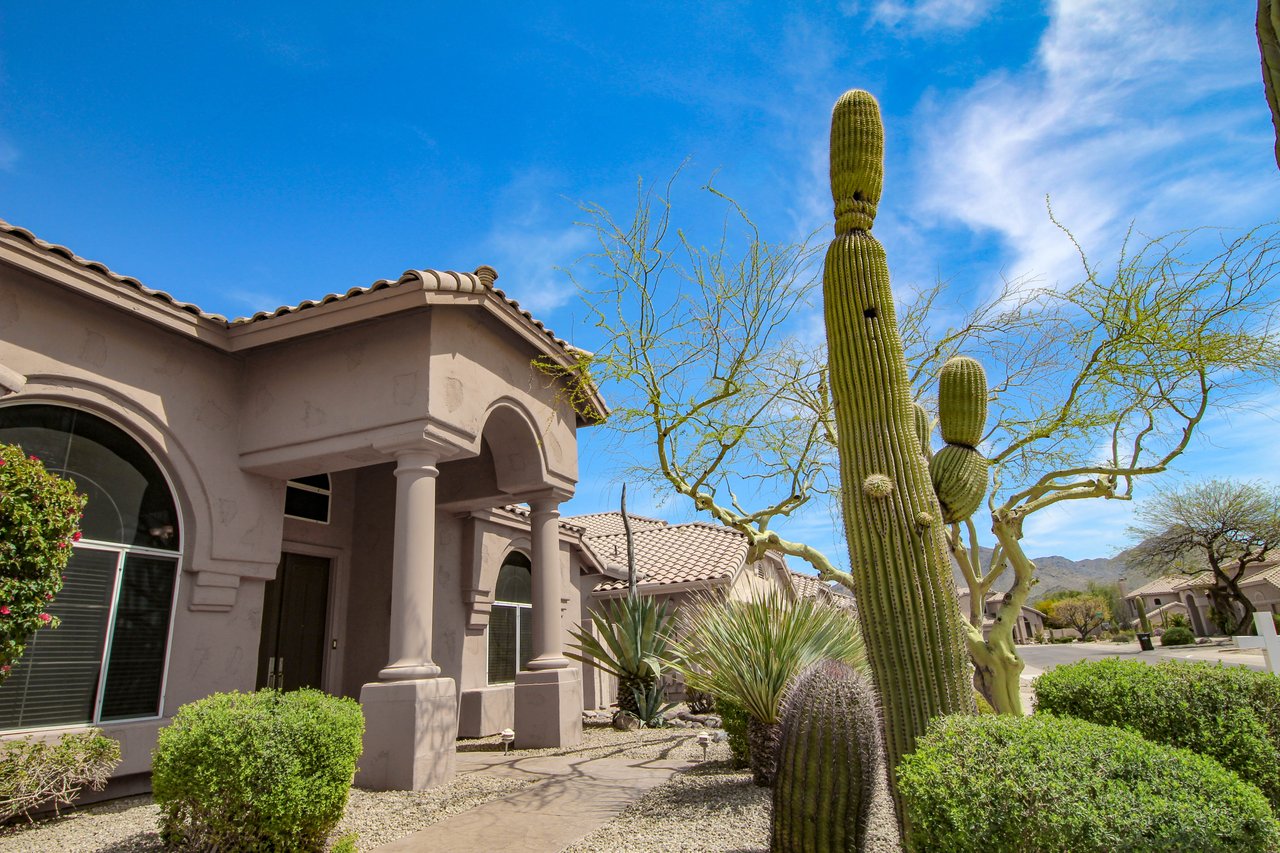
If you are buying from abroad, DC Ranch can feel both exciting and layered. You may be looking for a lock-and-leave second home, a Scottsdale base, or a long-term investment, but the process involves more than choosing the right property. This guide will help you understand how buying in DC Ranch usually works, which documents matter most, and where cross-border buyers should pay close attention. Let’s dive in.
Why DC Ranch Draws Global Buyers
DC Ranch is a 4,400-acre North Scottsdale community next to the McDowell Sonoran Preserve, with four villages, 26 neighborhoods, about 2,800 homes, and roughly 7,000 residents. According to DC Ranch community information, the community also includes a 33-mile path-and-trail system, two community centers, and club options.
For international buyers, that structure can be appealing because it offers an established setting with clear amenities and a well-defined ownership framework. If you want a Scottsdale home base with organized community systems already in place, DC Ranch often stands out for exactly that reason.
Understand DC Ranch Governance Early
One of the most important steps in a cross-border purchase is understanding who governs what. Based on DC Ranch real estate guidance, the Ranch Association handles standards, common-area maintenance, and security, while the Community Council oversees community centers, trails, and programming. The Covenant Commission oversees design, architecture, and new construction.
That matters because your ownership experience may involve more than one set of rules. Some homes are also part of sub-associations, and those rules can be more restrictive than the master community rules.
Why multiple rule layers matter
If you live outside Arizona, details that seem small at first can affect your plans in a big way. Exterior changes may require a separate approval path, and rental rules can differ depending on the sub-association.
Before you buy, review the master CC&Rs, any sub-association documents, and any resale disclosures tied to the property. This is especially important if you expect to make updates, use the home seasonally, or explore rental use.
Can You Buy in DC Ranch From Overseas?
In many cases, yes. A purchase can often be managed through title, escrow, lender coordination, and document review without you being in Arizona for every step. Still, your exact path depends on whether you are paying cash or financing, and whether your lender has additional document or account requirements.
A typical Arizona escrow timeline, as outlined by Pioneer Title Agency, usually includes prequalification, home selection, offer and acceptance, escrow opening, title review, earnest money deposit, appraisal and inspections, insurance, loan processing, signing, funding, recording, and closing. In Arizona, buyers generally receive keys once the required documents are recorded with the county recorder.
Financing from abroad may take longer
Financing is often the least predictable part of a cross-border purchase. For example, Chase’s international relocation mortgage program notes that some international borrowers may use foreign credit reports or non-traditional credit history, may need a U.S. bank account before closing for the funds used in the transaction, and may need to show recent asset transfers from a foreign account to a U.S. account.
That same program states that closing can take 60 days or more from preapproval. Even if you use a different lender, this is a useful reminder that international financing often involves more document collection and more lead time than a local purchase.
Build Your Team Before You Write an Offer
Arizona’s Buyer Advisory states that a real estate agent is vital to the purchase of real property and can help you locate property, negotiate the sale, and advise you during the transaction. It also notes that buyers may wish to retain a buyer’s broker rather than relying on the listing side.
For a cross-border buyer, that guidance becomes even more important. In DC Ranch, you may need help coordinating association documents, lender deadlines, title review, inspections, and timing across time zones.
Professionals that often matter most
A smooth purchase often depends on having the right specialists lined up early. Depending on your situation, that may include:
- A buyer’s agent
- A lender familiar with international borrowers
- A title and escrow officer
- A home inspector
- A tax advisor or attorney when cross-border tax or ownership questions apply
Arizona REALTORS also offers a bilingual real estate professionals directory. The organization notes that it does not vet interpreter or translator competency, so if language support is important to you, it is wise to confirm credentials and seek independent legal advice when needed.
Review These Documents Carefully
When you are buying from another country, document review is not just paperwork. It is your best protection against surprises.
Arizona’s Buyer Advisory says buyers should read the purchase contract, seller’s property disclosure statement, CC&Rs, HOA governing documents, and any HOA resale disclosure. It also notes that some HOAs charge fees at sale, so you should verify those costs early in the process.
Key documents to prioritize
Here are the documents that typically deserve close attention:
- Purchase contract
- Seller disclosures
- CC&Rs and HOA documents
- HOA resale disclosure
- Title commitment or preliminary title report
- Inspection reports
- Loan documents if financing applies
- Public Report for certain new homes or subdivision purchases
If the property is a new home or in a subdivision, Arizona requires a Public Report before signing the purchase contract. The state says this report is meant to summarize material information such as drainage, nearby land uses, utilities, taxes, assessments, community facilities, and HOA details, while also reminding buyers to verify that information independently.
Why Title and Inspections Matter So Much
Two of the most important checkpoints in Arizona are the title review and the property inspection. Both are essential when you are not local and may have limited chances to visit the property in person.
The Arizona Buyer Advisory explains that the inspection report is how you learn about the physical condition of the home. It also notes that your agent is generally not qualified to discover defects or evaluate physical condition, which is why professional inspections matter.
Focus on the title commitment
The title commitment is equally important because it identifies exceptions that may affect your ownership. According to the Buyer Advisory, those exceptions can include easements and liens that may affect the property or future improvements.
If you are buying with renovation plans or considering changes to the exterior, title review should be read alongside DC Ranch and sub-association rules. In a community with layered governance, these details work together.
Protect Your Funds During Closing
For international buyers, secure funds movement is a major part of the transaction. Large transfers, time-zone differences, and urgent closing deadlines can create unnecessary risk if you do not have a clear verification process.
Pioneer Title Agency’s buyer process overview warns that wire instructions should not change and advises buyers to verify instructions directly by calling the escrow officer. That step is especially important when you are sending funds internationally.
A simple wire-safety checklist
Use a disciplined process every time funds move:
- Verify wire instructions by phone using a trusted number
- Do not rely on email alone for fund transfer changes
- Confirm the escrow officer’s identity before sending funds
- Start cross-border transfers early in case bank processing takes longer than expected
Flag FIRPTA and Tax Questions Early
One of the most important tax issues in a cross-border transaction is FIRPTA. The IRS explains FIRPTA withholding as a rule that generally requires withholding when a foreign person disposes of a U.S. real property interest. The withholding rate is generally 15% of the amount realized.
There is a narrow residence-related exception in some cases when the amount realized is $300,000 or less and the property will be used as a residence, but that rule is fact-specific. It should not be treated as a blanket exemption.
What this means for buyers
Arizona’s Buyer Advisory also warns that FIRPTA may affect a transaction if the legal owner is a foreign person or nonresident alien. If that issue appears in your purchase, the right next step is to consult a qualified tax advisor or attorney.
A real estate advisor can help you identify where questions may arise and keep the process moving, but legal and tax structuring should be handled by the proper professionals.
Why Local Guidance Matters in DC Ranch
Every planned community has its own rhythm, but DC Ranch has a particularly structured ownership environment. Between master rules, possible sub-association rules, design approvals, resale disclosures, and timing considerations, details matter.
For a buyer abroad, local guidance can help reduce friction at each stage. That includes helping you understand which documents to request early, how association review may affect your plans, and how title, escrow, lender, and legal timelines fit together.
If you are considering a purchase in DC Ranch from outside the U.S., a calm and process-driven approach is the advantage that matters most. For discreet, bilingual guidance tailored to your goals, connect with Nadine De Luca for a private consultation.
FAQs
Can you buy a home in DC Ranch without being in Arizona?
- In many cases, yes. The process can often be handled through escrow, title, inspections, and lender coordination, but financing requirements may affect what can be done remotely.
What documents matter most when buying in DC Ranch from abroad?
- The most important documents usually include the purchase contract, seller disclosures, CC&Rs, HOA documents, HOA resale disclosure, title commitment, inspection reports, loan documents, and the Public Report when required.
Why do HOA and sub-association rules matter in DC Ranch?
- DC Ranch has master community governance, and some homes also fall within sub-associations that may have more restrictive rules, including rules that affect rentals or exterior changes.
What is the biggest money-transfer risk for overseas buyers in Arizona?
- Wire fraud is one of the biggest risks, which is why buyers should verify wiring instructions directly with the escrow officer before sending funds.
What is FIRPTA in a DC Ranch purchase?
- FIRPTA is a federal tax withholding rule that may apply when a foreign person sells a U.S. real property interest, and buyers should consult a qualified tax advisor or attorney if it may affect the transaction.