Thinking about building a custom home near DC Ranch? This part of North Scottsdale offers a rare mix of dramatic desert land, design-driven architecture, and tightly managed review standards. If you want a home that feels tailored to the site and your lifestyle, it helps to understand how the land, covenant review, and city process work together before you buy a lot or begin a teardown. Let’s dive in.
Why DC Ranch Stands Out
DC Ranch is a 4,400-acre North Scottsdale community with 26 neighborhoods across four villages, and it sits beside the McDowell Sonoran Preserve. The preserve covers about 47 square miles, or roughly one-third of Scottsdale, which shapes the look and feel of the area in a very real way. Near DC Ranch, the desert is not just scenery. It is part of the planning logic behind the homesites themselves.
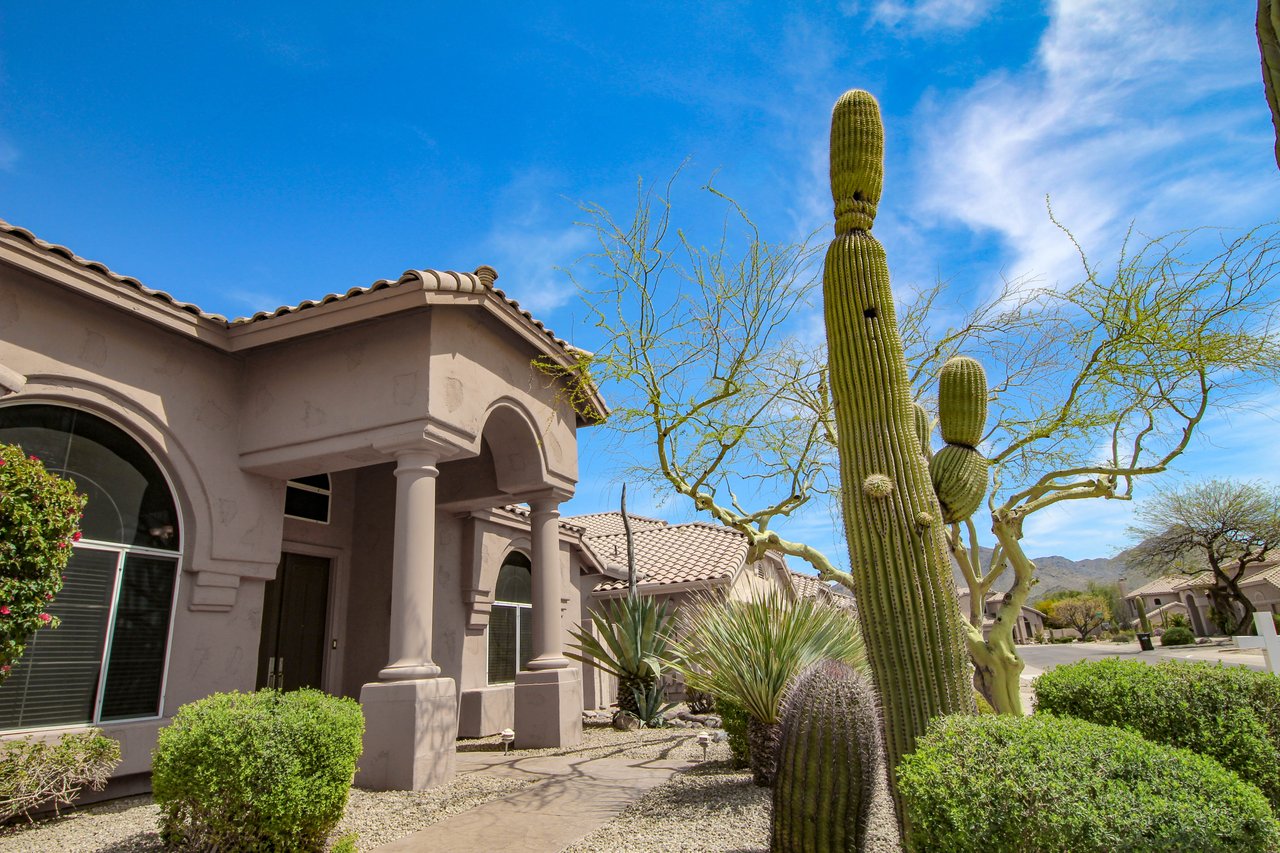
That planning history matters if you are considering a custom build. DC Ranch’s design approach was influenced by Vernon D. Swaback, native stone from the site, drought-tolerant planting, and streets and pathways that follow the topography and frame views. In practical terms, the site is meant to influence the house, not simply hold it.
For design-minded buyers, that creates a different experience than a typical suburban build. A successful home here often starts with the terrain, the view corridors, and the natural desert conditions. That is part of what makes the area so compelling.
What You Can Build Near DC Ranch
The custom-home conversation near DC Ranch is shaped by where the parcel sits and what rules apply to that property. Inside DC Ranch, different villages support different home types and architectural expressions. That variety can be appealing, but it also means your lot-specific due diligence matters from day one.
In Country Club Village, styles include Western Regional Farm House, Ranch House, Spanish Eclectic, Pueblo, Prairie, and contemporary interpretations of those forms. Desert Camp Village includes single-family homes, attached patio homes, condominiums, and townhomes. Desert Parks Village includes both custom and non-custom single-family and attached homes, along with parks, natural wash areas, and gated access.
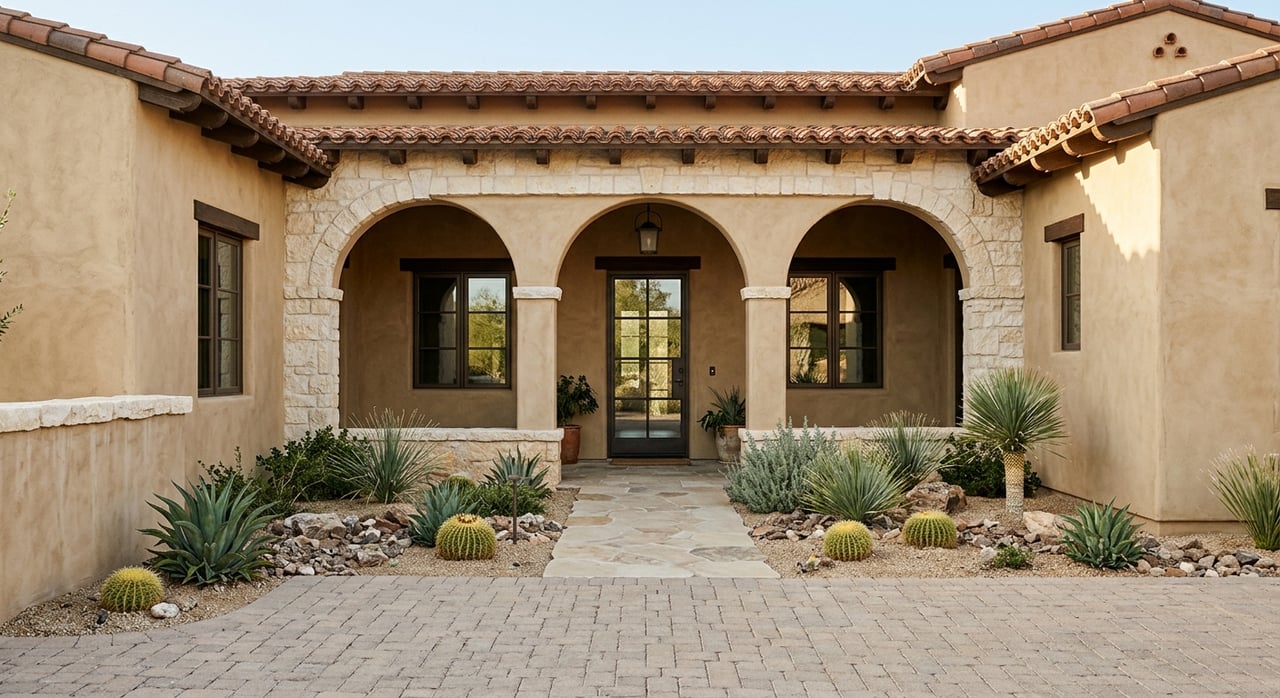
Silverleaf is the most custom-oriented village in the DC Ranch umbrella. Lots there may sit along golf-course edges or in hillside settings, and the architectural vocabulary leans toward Spanish and Mediterranean Revival estate design. If your goal is a highly tailored home with a strong architectural identity, this is one of the key areas buyers tend to evaluate.
DC Ranch’s landscape guidance also makes an important point: every lot is different. Custom and non-custom lots can have different requirements, and natural zones on custom lots are generally intended to remain largely untouched unless specific approval is given otherwise. That means two side-by-side parcels may not offer the same building flexibility.
Start With Land Due Diligence
Before you close on land or a teardown near DC Ranch, the first step is understanding the real buildable envelope. Scottsdale recommends beginning with the title report, HOA restrictions, and either a residential setback map or a setback request. This early work can identify the subdivision, lot number, APN, zoning, FEMA flood zone, and other property details.
This is especially important because some subdivisions have amended development standards that differ from the base zoning district. In other words, the zoning label alone may not tell you the full story. The actual building envelope can be shaped by setbacks, easements, and parcel-specific standards.
If you are considering a teardown, lot assembly, or a parcel with unusual site conditions, this stage becomes even more valuable. Scottsdale notes that some projects may require separate parcel or easement creation, modification, or deletion before permits can be issued. DC Ranch also has a replat form for combining lots, which may matter if your vision involves multiple parcels.
Use Parcel Research Tools Early
You do not want to fall in love with a lot before confirming the basics. Scottsdale’s Parcel Viewer can help you research by parcel owner name, subdivision number, parcel number, or address. The results connect to property information, property sketch, pictometry, street-level imagery, and tax summary details.
The Maricopa County Assessor’s parcel tools can also support early research using address, owner name, parcel number, subdivision name, city, or ZIP code. These tools are not a substitute for professional review, but they are useful for narrowing options and spotting issues early. For buyers evaluating several sites, this can save time and reduce expensive surprises.
Understand the Review Sequence
Near DC Ranch, building a custom home is not a one-step approval. It is a multi-approval process, and the order matters. In most cases, the practical sequence is land due diligence first, then HOA or covenant review, then city review, then permits, and finally inspections.
If your parcel is inside DC Ranch, the Covenant Commission plays a central role. The commission establishes and maintains architectural and landscape standards, supported by design professionals who review submissions for quality and compatibility with the desert environment. That review process includes Massing Review, Preliminary Review, and Final Review, followed by preconstruction documents and a final inspection after construction.
The covenant process also adds important gatekeeping steps. Professionals submitting plans must be Covenant Certified, builders must complete a covenant orientation program, and applicants need a Certificate of Covenant Compliance before applying for city permits. This is one reason buyers often benefit from choosing an architect and builder who already understand the DC Ranch workflow.
How Scottsdale Fits In
At the city level, Scottsdale reviews residential projects through Planning, Building, Engineering, Stormwater, and Fire. For single-family residential projects, the city typically moves straight to plan review rather than the full Development Review Board process, since the DRB handles development types other than single-family homes. Once plans meet city code requirements, permits can be issued and inspections follow before occupancy.
For teardown situations, the timing of demolition matters. Scottsdale requires a demolition permit when demolition is not part of new construction. If demolition is integrated with the new build, it is reviewed concurrently within the construction documents.
Scottsdale also requires a pre-site inspection before inspections can continue for new construction involving grading and drainage, native plant salvage, NAOS, or DRB stipulations. On a desert-sensitive site, these details are not minor. They are part of how the city manages construction impact and site compliance.
Outside DC Ranch, Site Rules Still Matter
If your parcel is outside DC Ranch but still nearby in North Scottsdale, local overlays can still shape the design. Scottsdale’s ESL rules require permanent natural area open space and protection of native vegetation, washes, ridges, and peaks. The Foothills Overlay emphasizes low-impact massing, compatible colors and materials, open-space preservation, and design that blends into the desert landscape.
That means the design principles buyers admire in DC Ranch often extend into surrounding custom-home areas through city regulations. Even when a parcel is not subject to DC Ranch covenant review, the land itself may still carry meaningful limits on grading, disturbance, massing, and visual impact. This is another reason why early technical review matters.
Build the Right Team From the Start
A strong custom-home project near DC Ranch usually includes several key professionals:
- Architect for desert-sensitive design, massing, and style compatibility
- Civil engineer for grading, drainage, utilities, and water or sewer coordination
- Landscape architect for native-plant preservation, NAOS, and desert-appropriate planting and lighting
- Builder who understands covenant review, city plan review, and inspection sequencing
- Buyer’s advisor to help you evaluate land, teardown risk, timing, and acquisition strategy
This is where a process-driven approach can protect both time and budget. Scottsdale specifically notes that early consultation or a pre-application meeting can help identify code issues before formal submittal. The city also recommends using a survey and setback review to clarify the buildable area.
For buyers acquiring a teardown or evaluating lot assembly, that early technical review can make the difference between a smooth project and a redesign that adds cost and delay. It is much easier to solve these questions before closing than after your plans are underway.
Site Preparation Can Affect Your Timeline
Even after you secure the right parcel, site preparation deserves close attention. Maricopa County requires an earthmoving permit on jobsites that disturb more than 1/10 acre of soil. Scottsdale also notes that some exterior work can trigger right-of-way or haul-permit issues.
A boundary survey is strongly recommended before site modifications begin. It helps your team confirm where structures, easements, and setbacks actually fall. On sloped or irregular desert lots, this can be essential for avoiding missteps during grading or early construction.
What Buyers Should Take Away
Building a custom home near DC Ranch can be deeply rewarding, but it is best approached with clarity and patience. The appeal here comes from the relationship between architecture and landscape, and the approval process reflects that. The strongest projects usually start with disciplined parcel due diligence, an experienced team, and a realistic understanding of the covenant and city sequence.
If you are exploring land, a teardown, or an off-market parcel in 85255, the goal is not simply to find a lot. It is to find a site that supports your vision while working within the rules that define this part of Scottsdale. That is where thoughtful guidance can add real value.
If you are considering a custom build near DC Ranch and want a discreet, process-oriented perspective on land, teardown opportunities, or parcel evaluation, Nadine De Luca offers private, high-touch advisory tailored to Scottsdale’s design-forward market.
FAQs
What makes building near DC Ranch different from other Scottsdale areas?
- DC Ranch sits beside the McDowell Sonoran Preserve and uses design standards shaped by the desert landscape, topography, and lot-specific review requirements.
What approvals are needed for a custom home inside DC Ranch?
- A project inside DC Ranch typically moves through covenant review first, including Massing Review, Preliminary Review, and Final Review, before city permits and inspections.
What should you review before buying land near DC Ranch?
- You should start with the title report, HOA restrictions, setback information, zoning-related property data, easements, and a survey or technical review of the buildable envelope.
What if the property is outside DC Ranch but still in North Scottsdale?
- Parcels outside DC Ranch may still be affected by Scottsdale’s ESL rules or Foothills Overlay standards, which can limit disturbance and influence massing, materials, and site design.
What professionals should be on your custom home team near DC Ranch?
- A well-prepared team often includes an architect, civil engineer, landscape architect, builder, and buyer’s advisor with experience in North Scottsdale land and custom-home projects.