Are you looking for a home in DC Ranch that feels easy to own, easy to leave, and still firmly connected to North Scottsdale living? If you split your time between Arizona and another city, travel often, or simply want fewer day-to-day property concerns, the right lock-and-leave home can make a real difference. In DC Ranch, that decision is about more than a villa label or a pretty floor plan. It comes down to how the neighborhood is structured, what services are built in, and how the community supports owners when they are away. Let’s take a closer look.
What lock-and-leave means in DC Ranch
In DC Ranch, a lock-and-leave home is not defined by one property type alone. The community includes custom estates, single-family homes, townhomes, patio homes, condominiums, and villa-style residences across its four villages and 26 neighborhoods. That variety gives you options, but it also means the term needs a more careful look.
For many buyers, the best fit is often an attached or villa-style home because these layouts usually reduce the amount of exterior work you manage yourself. Still, a detached home can also work well if the neighborhood’s maintenance structure and access systems support part-time ownership. In other words, the real test is how the property functions when you are not there.
Why DC Ranch attracts part-time owners
DC Ranch covers about 4,400 acres in North Scottsdale and includes roughly 2,800 homes with around 7,000 residents. The first homes were completed in 1997, and the community has grown into a well-known master-planned setting with access to Loop 101 and close ties to the McDowell Sonoran Preserve. For buyers who live out of state, travel seasonally, or want a second-home base, that combination is especially appealing.
Convenient access matters, but so does day-to-day ease. In a community designed with strong systems, shared amenities, and organized management, you can enjoy the property more and worry about logistics less. That is a major part of the lock-and-leave appeal here.
Which DC Ranch homes fit best
Several DC Ranch neighborhoods stand out as natural starting points for lock-and-leave buyers. Official community references include Market Street Villas, Courtyards at Market Street, Village at Market Street, Desert Camp Villas, The Villas, Terraces West, Terraces East, Villas at Desert Park, Courtyards at Desert Parks, Villas at Silverleaf, and Canyon Villas at Silverleaf.
Desert Camp includes single-family homes, attached patio homes, condominiums, and townhomes. Desert Parks includes custom and non-custom single-family homes as well as attached homes with private gated access. These are the kinds of settings many buyers explore first because they often pair lower-maintenance living with a more contained neighborhood format.
That said, names can be misleading. A villa-branded neighborhood may sound ideal for absentee ownership, but the label alone does not tell you whether the area is gated, how exterior care is handled, or which association is responsible for services. One official listing, for example, identifies Village at Market Street as no gate, which is an important practical distinction.
Look beyond the word villa
If you are comparing homes in DC Ranch, it helps to think operationally rather than emotionally. A lock-and-leave purchase should be evaluated by how much attention it requires when you are away for weeks or months. That means asking better questions before you focus too much on finishes or square footage.
Key points to compare include:
- Whether the neighborhood is gated
- Whether there is a sub-association managing the enclave
- How much exterior maintenance is shared
- Which fees cover patrol, gates, sidewalks, and common areas
- What approval requirements apply to outdoor changes
These details shape the ownership experience far more than the product name. A well-managed attached home may offer the simplicity you want, while a detached home could still be a strong fit if the service structure is equally supportive.
What actually makes a home easy to leave
In DC Ranch, the strongest lock-and-leave features are practical systems rather than architecture alone. The community provides 24-hour patrol through a third-party contractor, operates 23 gates, and uses live video feeds to oversee gates and other access points. Those features can add meaningful peace of mind for owners who spend long periods away.
Residents can also submit vacation notifications and grant access to an authorized person, such as a caretaker or realtor. Guest-management tools are available for visitors and service providers, which can simplify routine property access while you are gone. The patrol team also offers garage-door alerts, package handling, and vacation-watch style perimeter checks.
For many second-home buyers, these are the details that matter most. They support a more seamless ownership experience and reduce the number of loose ends you need to manage from another city or country.
How assessments affect convenience
A true lock-and-leave lifestyle is also tied to the fee structure. In DC Ranch, Ranch Association assessments fund common-area maintenance, sidewalks, and patrol and gate access. Neighborhood-level fees may cover additional behind-the-gate maintenance, including guards and gates where applicable.
This split matters because not every neighborhood offers the same level of support. Two homes may look similar on paper but provide very different ownership experiences depending on what the master association and sub-association each handle. If your goal is low-touch ownership, you want clear visibility into who manages what.
Autopay is another small but useful detail noted by the community, especially for residents who spend extended time away. It is a simple feature, but for absentee owners, small systems often make ownership easier.
Exterior upkeep still deserves attention
Many buyers hear lock-and-leave and assume minimal responsibility across the board. In DC Ranch, the reality is more structured. All exterior home and landscape modifications, including backyard changes, must be reviewed and approved.
Community standards also address items such as security cameras, motion-activated lights, artificial turf, and paint changes. That consistency helps preserve the visual character of the community, but it also means buyers should understand the approval process before making assumptions about easy updates or personalized exterior changes.
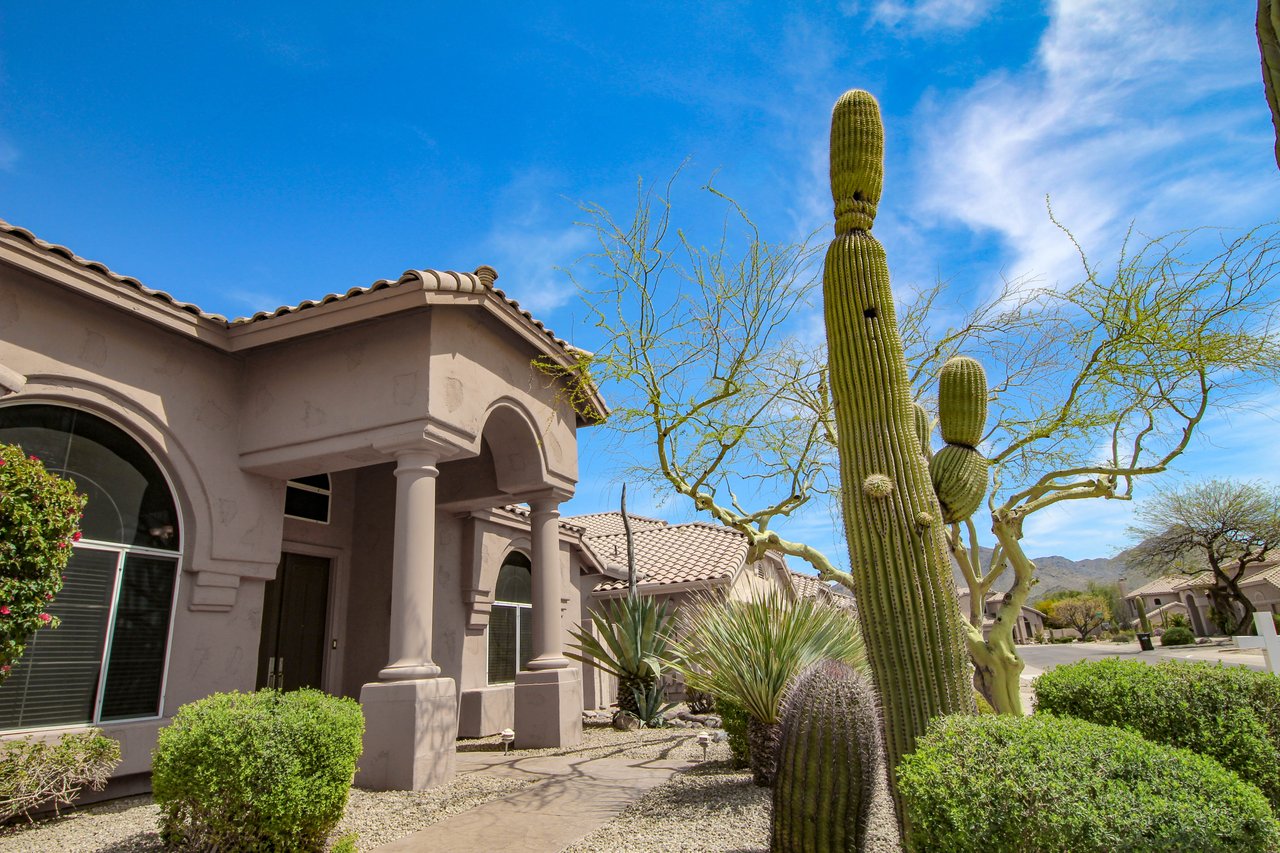
The landscape approach is also worth noting. DC Ranch emphasizes a desert aesthetic with planned authenticity rather than a uniformly manicured look. If you prefer a refined desert setting that feels intentional rather than overly formal, that may be part of the appeal.
Access rules matter for seasonal owners
If you expect family members, guests, or caretakers to use the property while you are away, access policies are worth reviewing early. DC Ranch revised its amenity access policy in July 2024 and now uses a secure mobile credential format for entry to the community centers and some external amenities.
The policy specifically references expanded access options for seasonal adult occupants age 26 and older and other authorized users. For part-time owners, international buyers, and households that may need flexible property use, that is a meaningful point. Homeowners who lease their properties can also register tenants for access privileges.
This kind of policy detail is easy to overlook during a home search, yet it can have a real impact on daily convenience. If you are buying with periodic occupancy in mind, access logistics should be part of your evaluation from the beginning.
Amenities support second-home living
DC Ranch is not only about low-maintenance ownership. It also offers community features that help make part-time living feel worthwhile. The Homestead includes indoor and outdoor event space, fitness classes, youth activities, Wi-Fi, and a splash pad.
Community council dues also support Desert Camp Community Center, The Homestead, and the network of paths and trails. For buyers considering a second residence, this mix of convenience and amenities can make the community feel more complete. You are not simply buying a home that is easier to leave. You are also buying into a setting that can be enjoyable the moment you arrive.
Questions to ask before you buy
The best lock-and-leave purchase is usually the one that aligns with your real routine. If you travel often, spend summers elsewhere, or want a Scottsdale base that does not require constant oversight, you should compare neighborhoods with your ownership style in mind.
Here are a few smart questions to ask as you narrow your options:
- Is the neighborhood gated or ungated?
- Is there a sub-association, and what does it manage?
- Which exterior maintenance tasks are covered?
- What do the master and neighborhood assessments each include?
- What services help when you are away for extended periods?
- How flexible is access for guests, caretakers, or seasonal occupants?
- What approvals are needed for landscape or exterior changes?
These questions can quickly separate homes that simply sound convenient from homes that truly support a low-touch lifestyle.
A more strategic way to shop DC Ranch
In a community as layered as DC Ranch, broad labels are rarely enough. The better approach is to compare each neighborhood by gate status, maintenance structure, service model, and access policies. That is often where the strongest value becomes clear, especially for out-of-state and cross-border buyers who need a home to work well even when they are not in Scottsdale.
A well-chosen lock-and-leave property can offer privacy, ease, and a more relaxed ownership experience without giving up the benefits of a highly regarded North Scottsdale address. If you want help sorting through the differences between villa-style neighborhoods, attached homes, and detached options in DC Ranch, Nadine De Luca offers a discreet, personalized approach tailored to your goals.
FAQs
What is a lock-and-leave home in DC Ranch?
- In DC Ranch, a lock-and-leave home is usually a residence that offers easier absentee ownership through shared maintenance, organized access systems, and community support such as patrol, gates, and vacation-related services.
Which DC Ranch neighborhoods may appeal to lock-and-leave buyers?
- Official community references include neighborhoods such as Market Street Villas, Courtyards at Market Street, Village at Market Street, Desert Camp Villas, The Villas, Terraces West, Terraces East, Villas at Desert Park, Courtyards at Desert Parks, Villas at Silverleaf, and Canyon Villas at Silverleaf.
Are all villa-style homes in DC Ranch gated?
- No. A villa-style name does not automatically mean the neighborhood is gated, and at least one official listing identifies Village at Market Street as no gate.
What services help DC Ranch owners when they are away?
- DC Ranch offers practical tools such as vacation notifications, authorized-person access, guest management, garage-door alerts, package handling, and vacation-watch style perimeter checks.
Do DC Ranch assessments cover maintenance and security?
- Ranch Association assessments fund common-area maintenance, sidewalks, and patrol and gate access, while neighborhood fees may cover behind-the-gate maintenance, including guards and gates where applicable.
Why do seasonal buyers compare sub-associations in DC Ranch?
- Sub-associations can affect how much exterior upkeep is shared, how gates are managed, and how easy the home is to maintain during long absences.
Can detached homes in DC Ranch work as lock-and-leave properties?
- Yes. A detached home can fit a lock-and-leave lifestyle if the neighborhood’s maintenance and access structure reduces owner responsibility in a practical way.